Travis Manion Foundation CEO Ryan Manion Testifies in Congress on Honoring Our Fallen Heroes
On June 30, 2026, Ryan Manion, CEO of Travis Manion Foundation, testified before the U.S. House of Representatives Committee on Veterans’ Affairs Subcommittee on Disability Assistance and Memorial Affairs on the importance of memorializing our fallen heroes and the role community partnerships play in ensuring their legacies endure.
At the oversight hearing entitled “Memorializing Our Veterans: Outreach, Upkeep, and Community Partnerships at Veterans Cemeteries," Ryan contributed to a discussion on how the Department of Veterans Affairs (VA), the American Battle Monuments Commission (ABMC), and Department of the Army manage our nation’s veterans cemeteries in the United States and around the world. She shared how TMF transforms national cemeteries from places of remembrance into places of action—where stories are shared and the next generation discovers what service and sacrifice truly mean.
Ryan Manion’s Congressional Testimony
Chairman Luttrell, Ranking Member McGarvey, and Members of the Committee, thank you for the opportunity to testify on behalf of Travis Manion Foundation, where we empower veterans and families of the fallen to lead by mentoring youth and serving in their communities.
My name is Ryan Manion, CEO of Travis Manion Foundation and sister of Marine Corps 1stLt Travis Manion, who made the ultimate sacrifice in Iraq in 2007. Today, I am honored to speak about the importance of memorializing our fallen heroes and the role community partnerships play in ensuring their legacies endure.
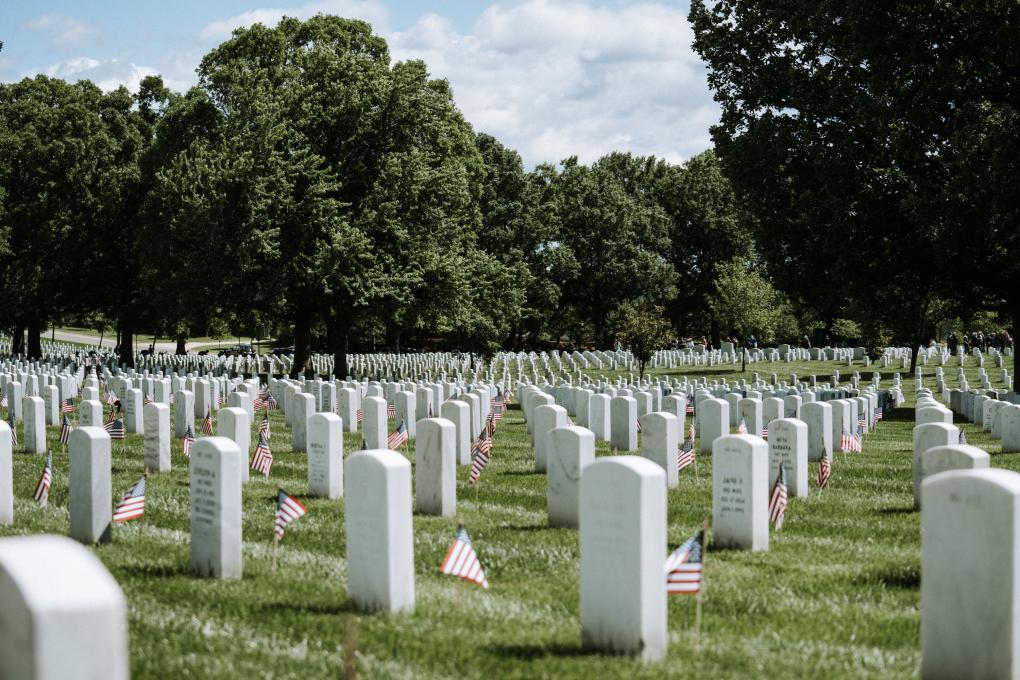
My brother Travis is buried in Section 60 at Arlington National Cemetery. I visit him often. Every time I step onto those hallowed grounds, I am struck by the thousands of headstones that represent the very best our country has to offer.
National cemeteries, like Arlington, are where our nation’s promise to honor and remember those who served is made permanent. But we need to make sure they are not only places of remembrance; they are classrooms where future generations can learn the meaning of service, sacrifice, and citizenship.
At TMF, our vision is simple but powerful: To create a community where veterans show up as civic assets and are provided opportunities to continue to serve.
Today, that vision has grown into a movement of more than 300,000 Americans. Since 2008, TMF has supported over 80,000 veterans and families of the fallen through leadership development and service programs, including thousands of trained Veteran Mentors who work directly with youth.
This past Memorial Day, working in partnership with the National Cemetery Administration and Arlington National Cemetery, TMF empowered more than 2,500 volunteers to visit 78 cemeteries nationwide. These volunteers placed commemorative tokens at the gravesites of 10,000 fallen service members through what we call - The Honor Project.
The impact of that effort extends beyond the families who know their loved ones are being remembered. Volunteers leave with a deeper understanding of the sacrifices made on their behalf. They learn the stories behind the headstones. They begin to understand that these are not simply markers, but lives of purpose, courage, and service.
These lessons are more important than ever. In previous generations, military service was woven into everyday American life. Today, less than one percent of Americans serve in uniform. As that divide grows, we must be intentional about creating opportunities for Americans—especially young people—to connect with those who served and those who gave their lives in service to our nation.
The greatest tribute we can pay those who served, is not simply to remember them; it is to live lives worth of their sacrifice. That is why community partnerships matter.
Organizations like Travis Manion Foundation help transform national cemeteries from places people visit once a year into places where stories are shared, lessons are learned, and legacies continue to inspire action. Before Travis deployed to Iraq for the second and final time, he was asked why he had to return so soon. His response was five simple words:
“If Not Me, Then Who…”
Those words do not end with my brother – they live on every time an American chooses service over self.
That is ultimately what our national cemeteries make possible. They do more than preserve our history – they shape our future. Every headstone marks a life that still has something to teach us. Through strong community partnerships, we can ensure those lessons are never forgotten and that the service of those we have lost continues to inspire generations of Americans yet to come.
Thank you for the opportunity to testify today.